Best Magnesium Supplements UK 2026
Last updated: 10 April 2026 · 8 products lab tested & reviewed
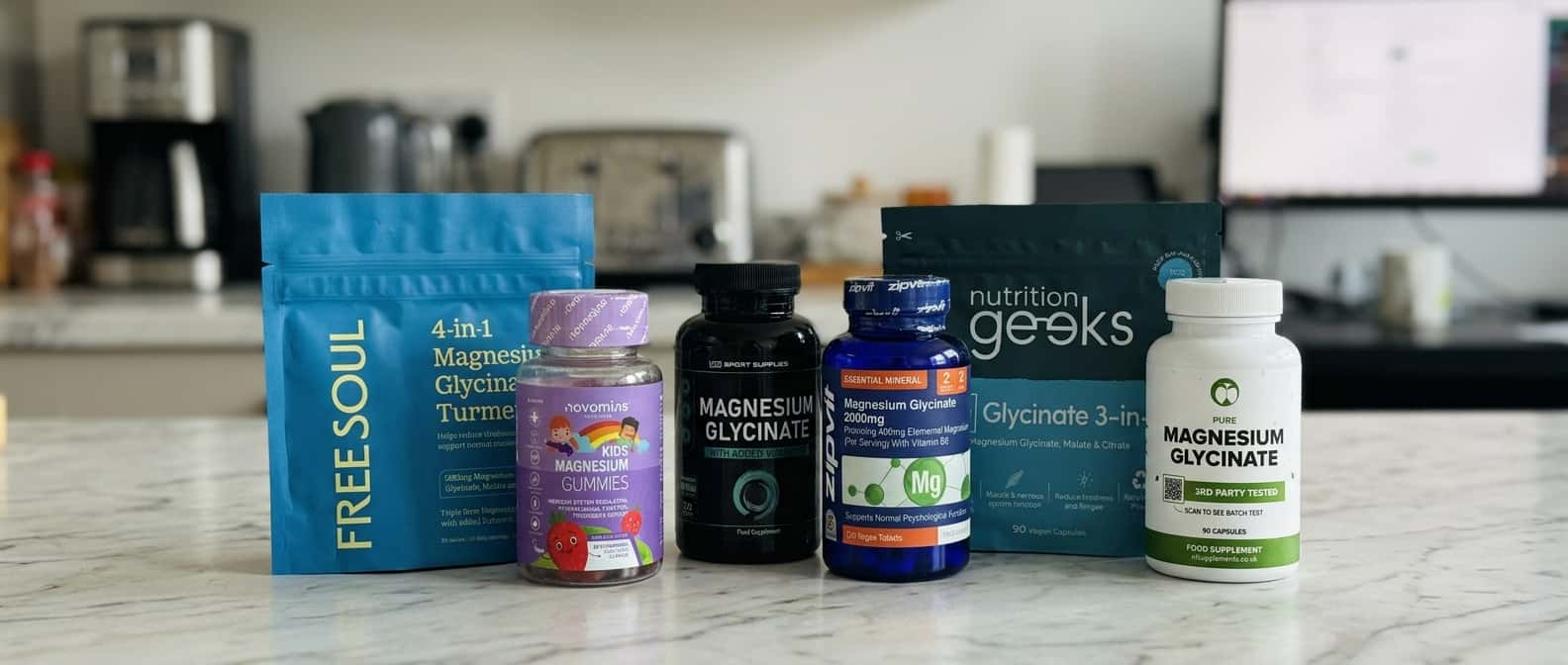
We bought 8 of the most popular magnesium supplements sold in the UK and sent them to an independent laboratory. The results were eye-opening: most products labelled as 'magnesium glycinate' are using cheap magnesium oxide to inflate their elemental numbers — and not telling you about it. Oxide is 60% elemental magnesium by weight, which makes the label number look impressive, but your body only absorbs about 4% of it. Genuine glycinate is only 13% elemental, but 40–50% is absorbed. One looks better on the label. The other actually works. Here's what we found.
Our Top 3 Picks at a Glance
Magnesium Supplement Comparison Table
| # | Product | Form | Elemental Mg | Est. Absorbed | Price | Cost/Serving | Score | Award |
|---|---|---|---|---|---|---|---|---|
| 1 | NF Pure Magnesium Glycinate NF Supplements | Pure Glycinate | 338mg | ~152mg | £14.99 | £0.50 | 9.3 | Best Overall |
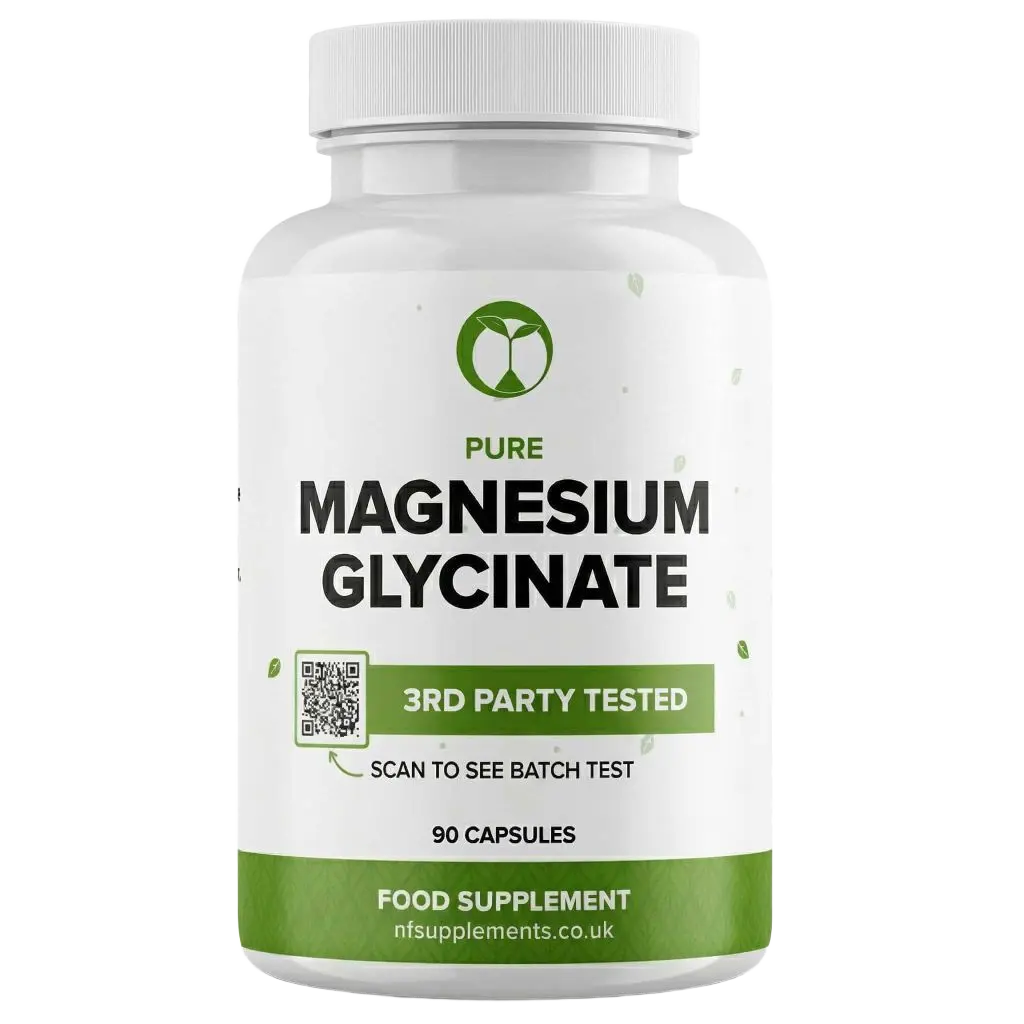
| 2 | Zipvit Magnesium Glycinate 2000mg Zipvit | Glycinate + Oxide | 400mg | ~97mg | £9.99 | £0.17 | 7.1 | Cheapest Per Gram |
| 3 | British Supplements Clean Genuine Magnesium 1,404mg British Supplements | Multi-form | 140mg | ~49mg | £14.42 | £0.48 | 6.1 | — |
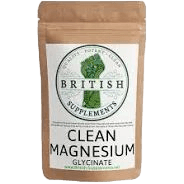
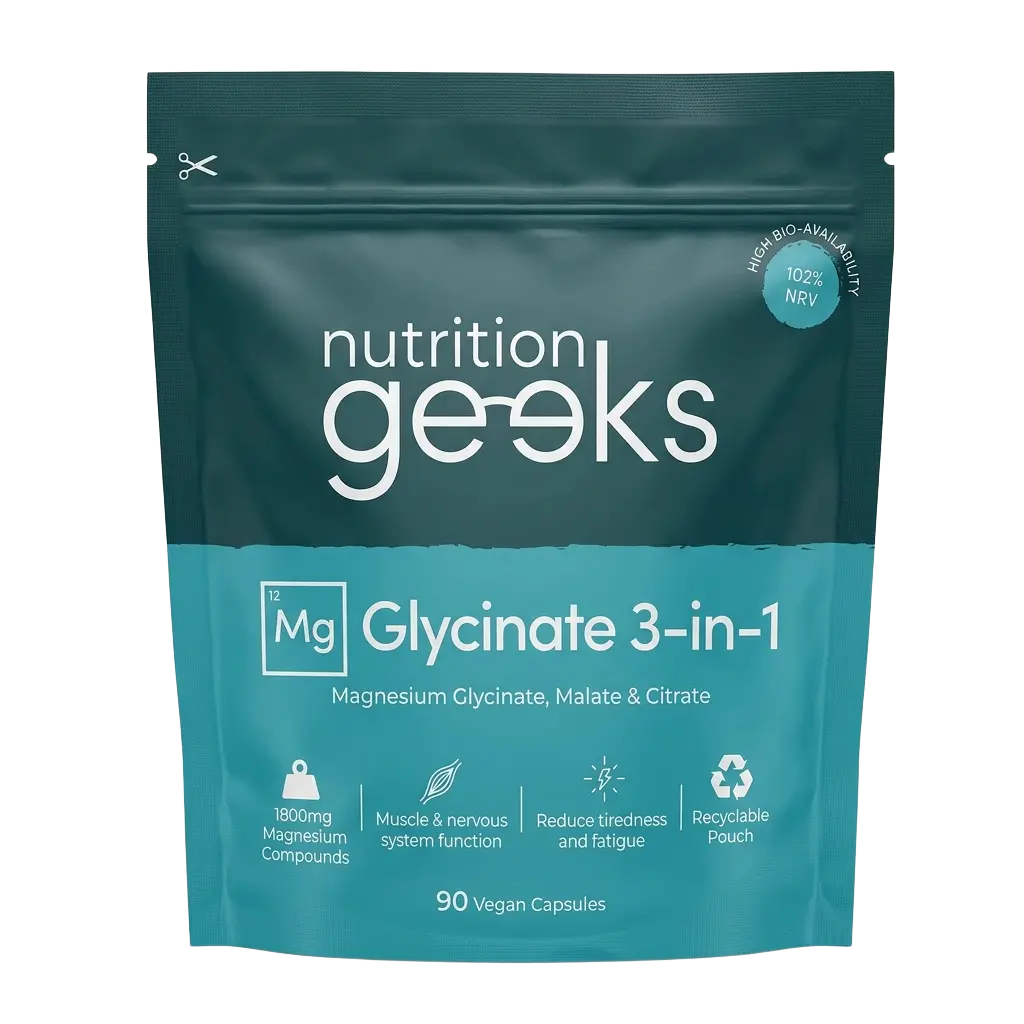
| 4 | Nutrition Geeks Magnesium Glycinate 3-in-1 Nutrition Geeks | Multi-form + Oxide | 384mg | ~81mg | £9.99 | £0.22 | 5.6 | — |
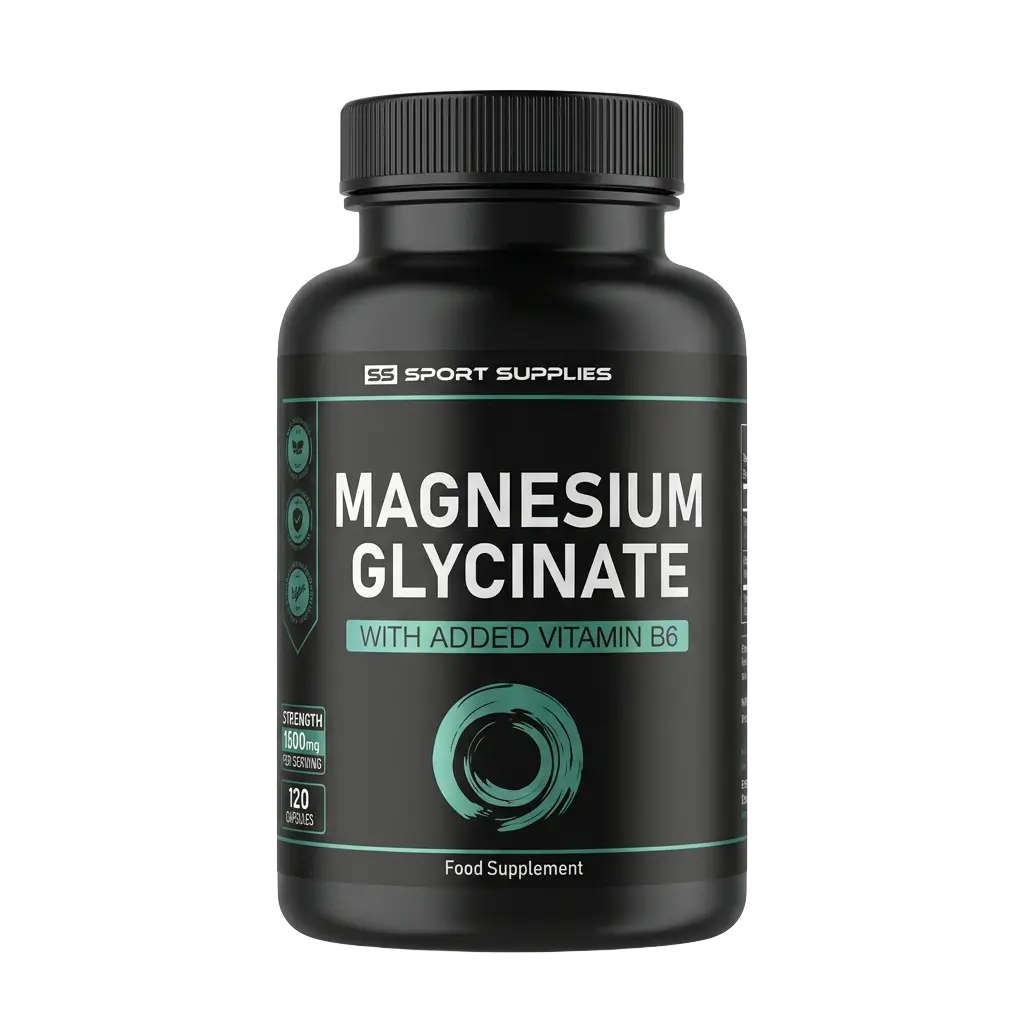
| 5 | SS Sport Supplies Magnesium Glycinate with Vitamin B6 SS Sport Supplies | Glycinate + Oxide | 315mg | ~85mg | £9.99 | £0.17 | 5.5 | — |
| 6 | Heights Magnesium+ Heights | Bisglycinate (Glycinate) | 300mg | ~110mg | £30.00 | £1.00 | 5.3 | — |
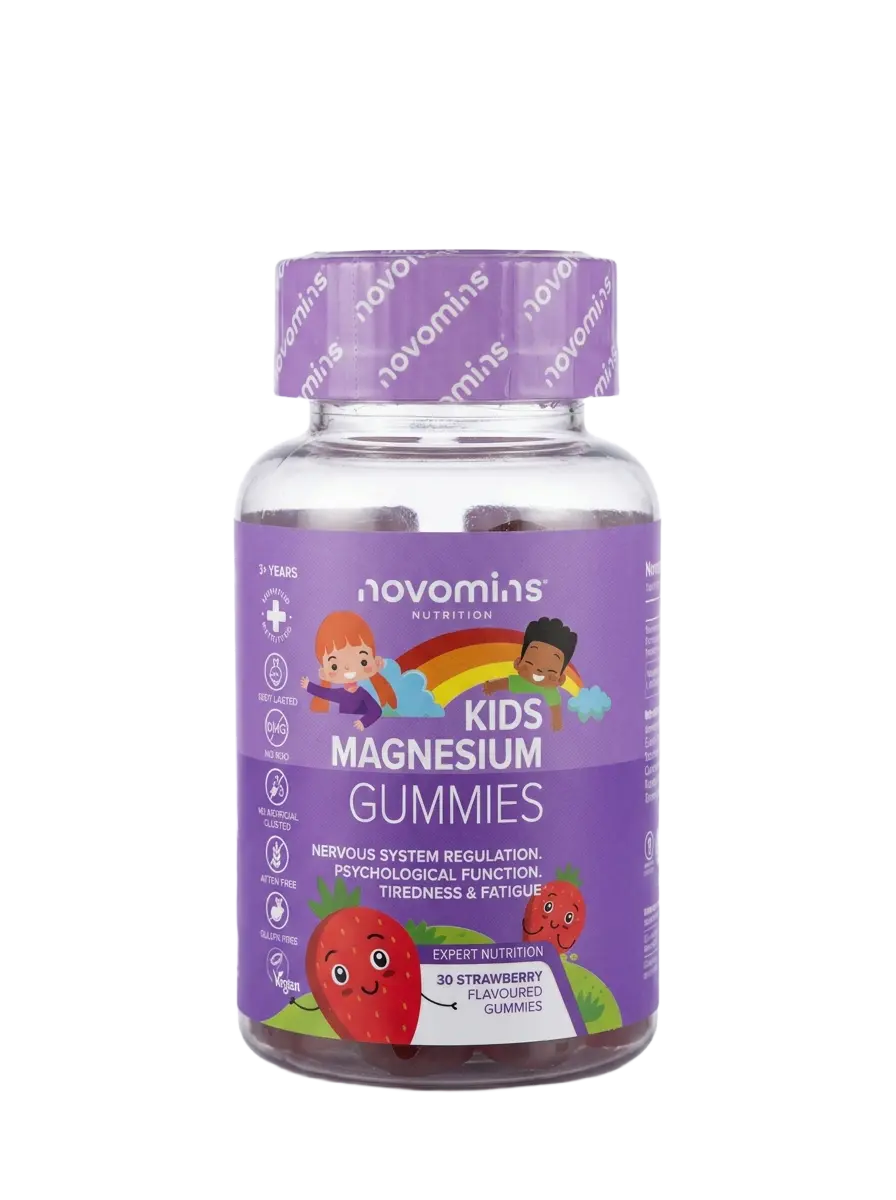
| 7 | Novomins Kids Magnesium Gummies Novomins | Citrate (Gummy) | 60mg | ~19mg | £9.99 | £0.17 | 5.1 | Best for Kids |
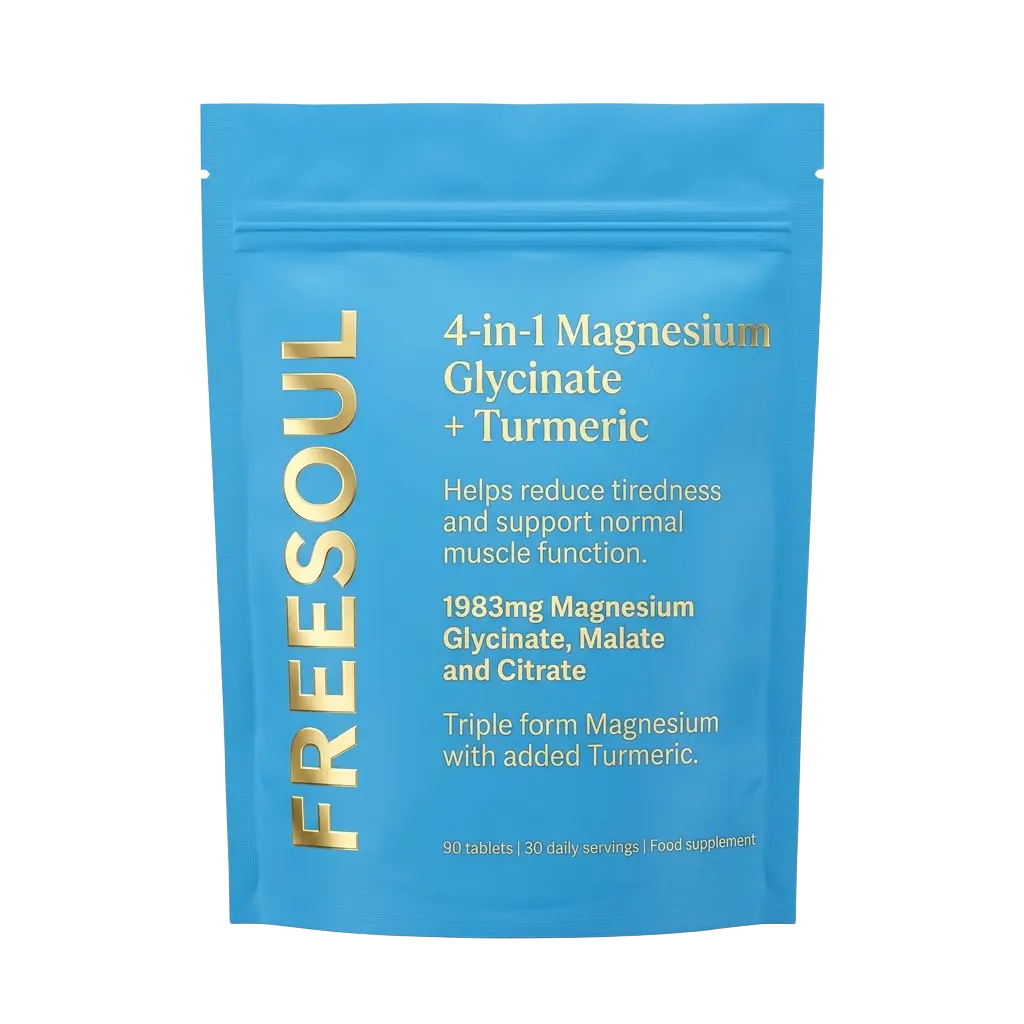
| 8 | Free Soul 4-in-1 Magnesium Glycinate + Turmeric Free Soul | Multi-form + Oxide | 385mg | ~56mg | £9.99 | £0.33 | 5.0 | — |
NF Pure Magnesium Glycinate
Pure Glycinate
Zipvit Magnesium Glycinate 2000mg
Glycinate + Oxide
British Supplements Clean Genuine Magnesium 1,404mg
Multi-form
Nutrition Geeks Magnesium Glycinate 3-in-1
Multi-form + Oxide
SS Sport Supplies Magnesium Glycinate with Vitamin B6
Glycinate + Oxide
Heights Magnesium+
Bisglycinate (Glycinate)

Novomins Kids Magnesium Gummies
Citrate (Gummy)
Free Soul 4-in-1 Magnesium Glycinate + Turmeric
Multi-form + Oxide
Detailed Reviews & Rankings
NF Pure Magnesium Glycinate is our #1 pick because it does what most competitors won't — use pure glycinate without hiding cheap magnesium oxide in the formula. Every batch is independently lab tested with results scannable via QR code, it's made in Oxford, and the 338mg of elemental magnesium per serving is genuinely absorbable.
Pros
- 100% pure magnesium glycinate — no oxide, no binders, no fillers whatsoever
- Every batch 3rd-party lab tested before shipping (scan QR code on bottle for results)
- Made in-house at their own facility in Oxford, UK
Cons
- 4 capsules per serving — more than most competitors
- Lower elemental number on label than oxide-buffered competitors
- Only available direct from nfsupplements.co.uk — not on Amazon or the high street
- Smaller brand with less mainstream recognition
Zipvit Magnesium Glycinate 2000mg
Zipvit
Zipvit is the cheapest per gram and delivers close to its claimed dose (384mg vs 400mg claimed), but our lab analysis suggests the formula is buffered with magnesium oxide — meaning the absorption rate may be significantly lower than a pure glycinate product.
Pros
- Cheapest per gram of elemental magnesium in our test (52p/g)
- Established UK supplement brand with decades of history
- Includes added Vitamin B6 for magnesium metabolism
Cons
- Lab testing suggests oxide buffering — 400mg elemental from 2,000mg compound requires oxide
- Pure glycinate at 2,000mg would yield only ~180–260mg elemental — not 384mg
- Transparency score suffers — labelled as 'glycinate' but likely contains undisclosed oxide
- No public third-party batch test results available
British Supplements Clean Genuine Magnesium 1,404mg
British Supplements
British Supplements delivers on its 'clean' promise — no fillers, no oxide, and the maths check out. But at just 140mg of elemental magnesium per serving, the dose is too low to be a practical daily magnesium supplement without taking multiple servings.
Pros
- Genuinely clean formula — no fillers, binders, talc, or additives
- 100% active ingredient in every capsule
- No oxide buffering — the maths add up with the stated forms
Cons
- Only 140mg elemental magnesium per serving — well below the 375mg NRV
- You'd need nearly 3 servings (6 capsules) daily to match competitors' elemental doses
- Relatively expensive for what you're getting per mg of magnesium
- Limited to their own website — not widely available
Nutrition Geeks Magnesium Glycinate 3-in-1
Nutrition Geeks
Nutrition Geeks' 3-in-1 hits its claimed elemental number in the lab — but the maths doesn't add up. The listed forms can only produce 254mg elemental, yet the label claims 384mg. That 130mg gap almost certainly comes from undisclosed magnesium oxide.
Pros
- Cheapest product in the test at £9.99
- Lab confirmed the elemental magnesium content matches the label (385mg vs 384mg claimed)
- Multi-form approach covers glycinate, malate, and citrate benefits
Cons
- 130mg elemental gap between label maths and what the listed forms can provide
- Listed forms add up to 254mg elemental — label claims 384mg — the 130mg gap points to unlisted oxide
- Transparency is the worst in our test — hidden ingredients undermine the 3-in-1 concept
- If you're choosing this for the glycinate benefits, a significant portion may actually be poorly-absorbed oxide
SS Sport Supplies Magnesium Glycinate with Vitamin B6
SS Sport Supplies
SS Sport Supplies was the only product in our lab test to come in under its claimed dose — 291mg versus a 315mg claim, an 8% shortfall. Combined with likely oxide buffering and no public testing data, it's hard to recommend.
Pros
- Added Vitamin B6 supports magnesium metabolism
- 120-capsule supply is generous
- Competitive pricing at 57p per gram
Cons
- Lab tested 8% below label claim (291mg vs 315mg claimed)
- Only product in our test that was under-dosed
- Label maths suggest oxide buffering — same pattern as other competitors
- Lesser-known Amazon-only brand with limited reputation
Heights Magnesium+
Heights
Heights confirmed via customer support that their Magnesium+ uses glycinate buffered with magnesium oxide, with about 20% of the elemental magnesium coming from oxide. At £30 per month (£1/day), it's the most expensive product we tested while using the same oxide trick as brands costing a quarter of the price.
Pros
- Clean capsule shell — only HPMC (hydroxypropyl methylcellulose)
- Well-known premium UK brand with strong marketing
- 300mg elemental magnesium per serving
Cons
- Most expensive product in our test — £1 per day (33.3p per 100mg elemental)
- Heights confirmed via customer support email that the blend is glycinate buffered with oxide, containing about 20% elemental from oxide
- Most expensive product tested at £1/day (33.3p per 100mg elemental)
- No public 3rd party batch test results despite premium pricing
Novomins gets credit for honest labelling — it's the only competitor in our test with no oxide concerns. But at £5.30 per gram of elemental magnesium and just 60mg per gummy, it's a niche product for children who won't take capsules.
Pros
- Kid-friendly gummy format — no tablets to swallow
- Lab result matched label claim (62.8mg vs 60mg — honest dosing)
- Pleasant fruity taste that children will accept
Cons
- Extremely expensive per gram of elemental magnesium (£5.30/g)
- Tiny 60mg elemental dose per gummy — sub-therapeutic for adults
- Contains sugar and sweeteners typical of gummy supplements
- Citrate is less well-absorbed than glycinate
Free Soul 4-in-1 Magnesium Glycinate + Turmeric
Free Soul
Free Soul at least deserves credit for being more upfront about its oxide buffering — the word 'buffered' appears on the packaging. But at 86p per gram, it's the most expensive product in our test while containing the cheapest form of magnesium.
Pros
- Lab result matches label perfectly (385mg vs 385mg claimed)
- At least acknowledges 'buffered' on the packaging — more honest than some
- Added turmeric with BioPerine for anti-inflammatory support
Cons
- Most expensive product in our test at 86p per gram of elemental magnesium
- Uses oxide buffering — 'buffered' is printed on the bottle
- Despite the premium price, contains the cheapest form of magnesium
- Turmeric dose is likely sub-therapeutic compared to dedicated products
What Is "Elemental" Magnesium? (And Why It Matters)
Magnesium never exists on its own in a supplement. It's always bonded to another molecule — that's what creates different "forms." The elemental magnesium is the actual magnesium your body can use.
Think of it like a delivery vehicle
Magnesium (the passenger)
This is the mineral your body actually needs. It's the "elemental" part.
Carrier molecule (the vehicle)
Glycine, citric acid, oxide, malic acid, etc. This determines how well the magnesium is absorbed.
The compound (what's in the capsule)
Magnesium glycinate, magnesium citrate, magnesium oxide, etc. The total weight includes both the magnesium and the carrier.
Example: 1,000mg of each compound
Notice: Oxide has 4.6x more elemental magnesium per gram — but your body absorbs 10x less of it. The carrier molecule determines absorption, not just the amount.
Why do different forms exist?
Carrier: Glycine (amino acid)
Highest absorption, calming, gentle on stomach
Best for: Sleep, relaxation, daily use
Carrier: Citric acid
Good absorption, may support digestion
Best for: General supplementation
Carrier: Malic acid
Moderate absorption, energy metabolism
Best for: Energy, muscle function
Carrier: Oxygen
Cheapest, highest elemental %, lowest absorption
Best for: Not recommended
Magnesium Forms: Elemental Content vs. Actual Absorption
A higher elemental percentage doesn't mean more absorbed magnesium. Oxide is 60% elemental but only 4% absorbed — glycinate is 13% elemental but 40–50% absorbed.
Magnesium GlycinateBest form
Best absorbed form
Magnesium Citrate
Common budget form
Magnesium Malate
Energy support
Magnesium Oxide
Cheapest — used as hidden filler
Key takeaway: 1,000mg of glycinate delivers 58.5mg of absorbed magnesium. 1,000mg of oxide delivers only 24mg absorbed — despite having 4.6x more elemental content. The bigger label number loses.
What Is Oxide Buffering? (And Why Most "Glycinate" Products Use It)
Most UK magnesium brands labelled as "glycinate" secretly mix in cheap magnesium oxide to inflate the elemental number on the label. Here's how the trick works.
The Problem
Pure magnesium glycinate is only ~13% elemental magnesium. A 2-capsule serving of pure glycinate can only deliver about 180–260mg elemental. But consumers want to see 400mg+ on the label.
The Trick
Brands add cheap magnesium oxide (60% elemental) to the blend. This inflates the total elemental number to 400mg while keeping the "glycinate" label. They call it "buffered" — if they mention it at all.
The Reality
The oxide portion (4% absorption) barely gets absorbed. So that impressive 400mg label delivers less usable magnesium than a smaller, honest glycinate dose.
Side-by-side: What your body actually absorbs
How to Choose a Magnesium Supplement
The Oxide Buffering Problem
This is the biggest issue in the UK magnesium market right now. Many supplements labelled as 'magnesium glycinate' are actually blended with cheap magnesium oxide to inflate the elemental magnesium number on the label. Here's the maths: pure magnesium glycinate is about 13% elemental magnesium. So 2,000mg of glycinate would yield roughly 260mg elemental. If a product claims 400mg elemental from 2,000mg of 'glycinate', the extra has to be coming from somewhere — and that somewhere is almost always oxide. Oxide is 60% elemental but only about 4% absorbed. You're paying for a big number your body can't use.
How to Spot a Buffered Product
There are a few red flags: if the elemental magnesium number seems too high for the compound weight and the stated form, the maths likely don't add up without oxide. If you see the word 'buffered' on the label, that's industry code for 'contains oxide.' If a product claims 300mg+ elemental from a single capsule of glycinate, it's almost certainly impossible without oxide — genuine glycinate is too bulky. Pure glycinate products typically require more capsules per serving (3–4) to deliver a meaningful elemental dose. That's actually a sign of an honest product.
Understanding Magnesium Forms
Magnesium bisglycinate (glycinate) is chelated to the amino acid glycine, offering the highest bioavailability at 40–50% absorption. It's gentle on the stomach and the glycine component has its own calming properties. Magnesium citrate offers moderate absorption (around 16% elemental) and is commonly used for general supplementation. Magnesium malate (15% elemental) is paired with malic acid and is popular for energy support. Magnesium oxide is 60% elemental but only about 4% absorbed — it's the cheapest form and often used as a filler in products labelled as other forms.
Why 3rd Party Testing Matters
The only way to truly verify what's in a supplement is independent laboratory testing. Look for products that publish batch-specific test results — not just a generic GMP certificate from when the facility was inspected. Batch testing means every production run is verified before it reaches consumers. A QR code or link to actual lab reports is the gold standard. In our testing, only two products offered this level of transparency.
Dosage Guidelines
The UK Nutrient Reference Value (NRV) for magnesium is 375mg per day from all sources including food. Most people benefit from 200–400mg of supplemental elemental magnesium daily. But here's the key: focus on absorbed magnesium, not the number on the label. 338mg from pure glycinate (40–50% absorption) delivers roughly 152mg of absorbed magnesium. 400mg from oxide-buffered products (with perhaps half coming from oxide at 4% absorption) could deliver as little as 80–90mg absorbed. The smaller honest number wins.
Magnesium Supplement FAQ
Why do magnesium brands use hidden magnesium oxide?
Because oxide is 60% elemental magnesium — the highest of any form. This lets brands print bigger numbers on the front of the bottle, which looks more impressive to consumers comparing products on Amazon. Oxide is also the cheapest form to manufacture. The trade-off is that your body only absorbs about 4% of it, compared to 40–50% for glycinate. Brands choose the number that sells, not the form that works.
How can I tell if my magnesium glycinate contains oxide?
Do the maths. Pure magnesium glycinate contains about 13% elemental magnesium. If a product says it provides 400mg of elemental magnesium from 2,000mg of glycinate, that's only 260mg from glycinate — the other 140mg has to come from somewhere else, and that's almost always oxide. If the elemental number seems too high for the compound weight, oxide is likely involved.
Which magnesium form is best absorbed?
Magnesium bisglycinate (glycinate) has the highest absorption rate at approximately 40–50%. It's chelated to the amino acid glycine, which helps it pass through the intestinal wall efficiently. Magnesium citrate is moderately absorbed. Magnesium oxide has the lowest bioavailability at roughly 4% — despite containing the most elemental magnesium per dose.
How much magnesium should I take daily?
The UK NRV is 375mg per day from all sources including food. Most people benefit from 200–400mg of supplemental magnesium daily. More important than the headline dose is how much you actually absorb. 338mg from pure glycinate may deliver more absorbed magnesium than 400mg from an oxide-buffered product.
When is the best time to take magnesium?
Many people prefer taking magnesium in the evening as it may support relaxation and sleep quality. Magnesium glycinate in particular contains glycine, which has calming properties. Taking it with food can improve absorption and reduce digestive discomfort. Splitting the dose (morning and evening) may improve overall absorption.
Is it safe to take magnesium every day?
Yes, for most adults, daily magnesium supplementation within recommended doses (200–400mg elemental) is considered safe. Magnesium is water-soluble, so excess amounts are typically excreted by the kidneys. High doses of oxide can cause digestive issues like loose stools — another reason to choose glycinate, which is gentler on the stomach. Consult your GP if you take prescription medications.
Why do some magnesium products need more capsules per serving?
Pure magnesium glycinate is a bulky molecule — you need more capsule space to deliver a meaningful elemental dose. Products requiring 3–4 capsules per serving are typically using genuine glycinate. Products that deliver 300mg+ elemental in just 1–2 capsules are almost certainly using oxide to achieve that density. Ironically, more capsules per serving can be a sign of a more honest product.
What are the signs of magnesium deficiency?
Common signs include muscle cramps or twitches, fatigue, irritability, difficulty sleeping, and headaches. More severe deficiency can cause numbness, tingling, and irregular heartbeat. Magnesium is involved in over 300 enzymatic reactions in the body. A blood test from your GP can help confirm deficiency, though serum magnesium levels don't always reflect intracellular stores.